
How Do I Get Rid of Ants


Stop Ant Trails Fast—and Eliminate the Colony So They Don’t Come Back
If ants have started marching across your counter like they pay rent, you’re not alone—and you’re not powerless either.
Here’s the good news: most ant problems can be solved without turning your home into a chemical war zone. The better news: once you understand why ants show up (food + water + easy entry + a colony that can “recruit” thousands), you can stop them in a way that lasts.
This guide is built for real life: kids, pets, busy schedules, and the frustration of thinking you solved it… only to see a new trail two days later. We’re going to do this in the most effective order:
Stop the current trail (fast)
Kill the colony (the part most people miss)
Make your home a terrible place for ants to return
Safety note: If you use any pesticide product (including baits), read and follow the label. Keep products away from children and pets. If exposure occurs, contact Poison Control (U.S.): 1-800-222-1222.
Step 1: Identify what you’re dealing with (in 3 minutes)
You don’t need to become an entomologist. But you do want to know which of these situations you’re in:
A) “Kitchen scouts” (most common)
A few ants show up near sugar, crumbs, fruit, coffee, or pet bowls. These are often scout ants searching for easy wins. UC IPM notes that “stragglers” are scouts; big trails follow once they find food/water.
B) “Bathroom ants” (water-driven)
Ants appear near sinks, tubs, toilets, damp baseboards—often chasing moisture.
C) “Carpenter ant suspicion”
Big ants, often seen at night, sometimes with sawdust-like debris (“frass”). Carpenter ants can indicate moisture-damaged wood.
D) “Outside-to-inside invasion”
Ants are coming from a door threshold, window, foundation crack, or utility line opening.
Why this matters: Your strategy changes slightly. But the foundation stays the same: bait + remove food/water + block entry + patience.
Step 2: Stop the trail right now (without sabotaging the real fix)
When you see a trail, your instinct is to spray. I get it.
But here’s the little-known truth that saves people weeks of frustration:
The most common DIY mistake
Spraying ants (or spraying near bait) often makes the problem worse because it can repel ants away from the bait or contaminate it—so the colony doesn’t take the poison back home. NC State Extension specifically warns that spraying the ants or baited area can contaminate bait and repel ants.
Instead, do this:
The 5-minute “trail reset”
Wipe the trail with soap and water first (this removes pheromone trails).
Follow with a 50/50 vinegar-water wipe or an all-purpose cleaner on the path and around entry points.
Do not spray repellent insecticides where you plan to bait.
This gives you relief and keeps your “colony kill” plan intact.
Step 3: Choose the right solution (quick comparison table)
Use this table to decide what to do based on your goal.
Method | Best for | Pros | Cons / Mistakes |
Ant baits (gel/liquid/station) | Eliminating the colony | Most effective long-term; ants carry it back | Too much cleaning/spraying near bait ruins results; wrong bait type can be ignored |
Sprays (repellent contact killers) | Instant kill of visible ants | Fast “satisfying” result | Often doesn’t reach colony; can make ants scatter or avoid baiting zones |
Non-repellent perimeter treatments | Outdoor-to-indoor invasions | Helps intercept trails outside | Requires careful label compliance; may be best with pro help for heavy infestations |
Natural deterrents (vinegar, sealing, sanitation) | Prevention + mild issues | Low cost, low toxicity | Rarely ends a true colony issue alone |
My preference in most homes: Start with bait-first, then do sealing + sanitation while bait works.
Step 4: The bait-first method (the one that actually ends the infestation)
Ant baits work because ants share food. The bait is designed to be slow-acting, so workers bring it back and distribute it inside the colony.
What to buy:
If you prefer low-toxicity options, boric-acid-based baits are often considered low toxicity when used correctly, but you still must follow label directions and keep them away from kids/pets.
Bait placement rules (this is where wins happen)
NC State Extension and Oregon State Extension both emphasize: don’t contaminate bait with sprays, and keep bait available long enough to work.
Use these rules:
Place bait where you see ant activity—but slightly “off to the side.” Under/behind appliances, under sinks, along edges where they travel.
Use multiple small placements, not one giant glob. Think “sampling stations,” not a buffet.
Don’t move bait daily. Ants need time to recruit and feed.
Don’t kill the ants that are feeding on bait. I know. It’s psychologically hard. But those are your delivery drivers.
Stay consistent for 7–14 days (sometimes longer for large colonies).The goal is colony impact, not just fewer ants today.
What if they ignore the bait?
Totally normal. Ants can switch food preferences (sweet vs protein/grease). Extension resources and pest pros commonly note species + preference matters—so switching bait types can be necessary.
Try this:
If your bait is sweet, switch to protein/grease style (or vice versa).
Move bait slightly closer to their travel line.
Reduce competing food: wipe counters, store sugar/flour tightly, remove crumbs.
Penn State Extension also recommends baiting as part of IPM and warns against foggers/sprays as primary tools.
Step 5: Remove the “ant reasons” (food, water, shelter)
Ant control works best when you remove what’s attracting them. UC IPM highlights monitoring around attractive food sources and moist areas (kitchens, bathrooms).
Kitchen reset (10 minutes that matters)
Wipe counters and backsplash edges (trails often run there).
Sweep under toaster, coffee area, and fridge edges.
Store:
sugar, cereal, flour, pet treats in airtight containers
Rinse recyclables.
Take out trash and wipe the rim/underside of the lid.
Moisture reset (bathroom & utility areas)
Fix drips under sinks (even slow ones).
Dry up standing water (plant trays, pet bowls overnight if possible).
Run fan or dehumidifier in damp rooms.
This doesn’t replace bait. It supercharges it.
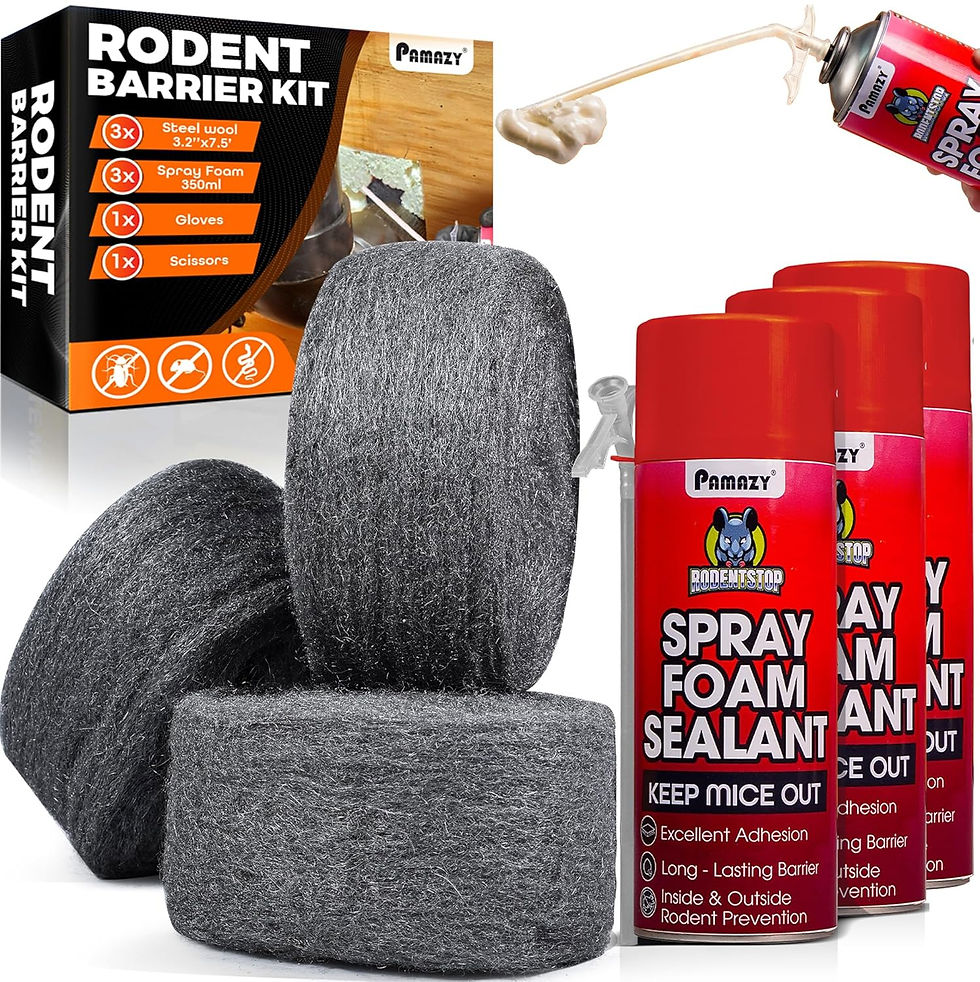
Step 6: Seal entry points (so you don’t replay this next month)
If ants can easily enter, you’ll keep seeing “new” trails.
Focus on:
cracks in baseboards and trim
gaps around plumbing under sinks
window/door gaps
utility line penetrations
This step pairs beautifully with baiting: while bait knocks down colonies, sealing reduces the next wave.
The “If this… then that” Ant Troubleshooting Playbook
If ants are coming back every spring…
Then: you likely have an outdoor nesting site and are seeing seasonal foraging.
Use outdoor baiting near the perimeter and do a sealing sweep.
If ants show up in the bathroom at night…
Then: moisture is probably the driver.
Bait near their path (not in wet areas where bait dissolves) + fix leaks + dry surfaces.
If ants disappear for 2 days then explode again…
Then: you may be killing scouts but not the colony.
Re-commit to baiting and avoid sprays near bait zones.
If ants “split up” and now there are multiple trails…
Then: repellent sprays may have scattered them.
Stop repellent spraying, reset trails, and bait strategically.
If you suspect carpenter ants…
Then: don’t just bait and hope. Carpenter ants can signal moisture-damaged wood.
Look for frass/sawdust and investigate moisture sources. Consider professional inspection if you see repeated large ants indoors.
If you live in an apartment and nothing works…
Then: the colony may be in a wall void or shared structure.
Baiting still helps, but you may need building-wide cooperation (property management) for long-term control.
The Ant Elimination Checklist (copy/paste and use)
Day 1 (30–45 minutes)
Wipe trail with soap/water + cleaner (no repellent sprays near bait zones)
Place 3–6 bait placements along activity areas (kitchen + bathroom if needed)
Remove competing food sources (crumbs, pet food left out, open sugar/flour)
Quick leak check under sinks
Take notes: where ants appear, times of day
Days 2–7 (5 minutes/day)
Refill/refresh bait if depleted
Don’t spray near bait
Keep counters dry/clean (especially at night)
Track whether activity is shifting (good sign)
Days 7–14 (30 minutes)
Seal entry points (caulk gaps, weatherstrip doors)
Outdoor perimeter inspection (mulch touching siding, branches touching roof, etc.)
Keep 1–2 bait stations as “maintenance” if needed
Cost-saving insights most people don’t hear
Don’t buy five different sprays. One good bait strategy usually beats a cabinet full of contact killers.
More poison isn’t better. Poor placement is the real enemy.
Patience is part of the mechanism. If ants are feeding on bait, that can be progress—not failure.
When to call a professional
Consider calling a licensed pest professional if:
You suspect carpenter ants + wood moisture issues
Ants are appearing in multiple rooms despite 2–3 weeks of baiting + sanitation
You have a serious outdoor nesting issue close to the foundation
You can’t safely place bait due to pets/children and need a safer strategy plan
FAQs
1) What kills ants instantly?
Contact sprays can kill ants you see immediately, but they often don’t eliminate the colony. For lasting results, baits are typically more effective because they’re carried back to the nest.
2) Why do ants keep coming back after I clean?
Cleaning helps, but if the colony still exists and entry points remain open, ants can re-establish trails. Pair cleaning with baiting and sealing for a longer-term fix.
3) How long does ant bait take to work?
Often several days to two weeks, sometimes longer for large or multi-queen colonies. The bait is slow-acting by design so it spreads through the colony.
4) Should I spray ants if I’m using bait?
Usually, no—especially not on or near bait placements. Spraying can contaminate bait and repel ants away from it, which slows colony control.
5) Are boric acid ant killers safe?
Boric acid products are often described as relatively low toxicity compared with many traditional insecticides, but “safe” depends on using them exactly as labeled and preventing exposure—especially for kids and pets. Always follow label instructions and safety guidance.
6) What’s the best natural way to keep ants out?
Natural methods shine for prevention: remove food residue, reduce moisture, and seal entry points. Vinegar cleaning can help disrupt trails, but persistent infestations typically require baiting to eliminate the colony.
Next Steps / Key Takeaways (do this in order)
Reset the trail (wipe—don’t spray near bait).
Bait strategically (multiple placements, leave it alone, refill as needed).
Remove food and moisture drivers (especially overnight).
Seal entry points once activity drops.
If you’re still battling after 2–3 weeks, consider professional help for species ID + nest location.

Comments