
How to get rid of mildew in bathroom

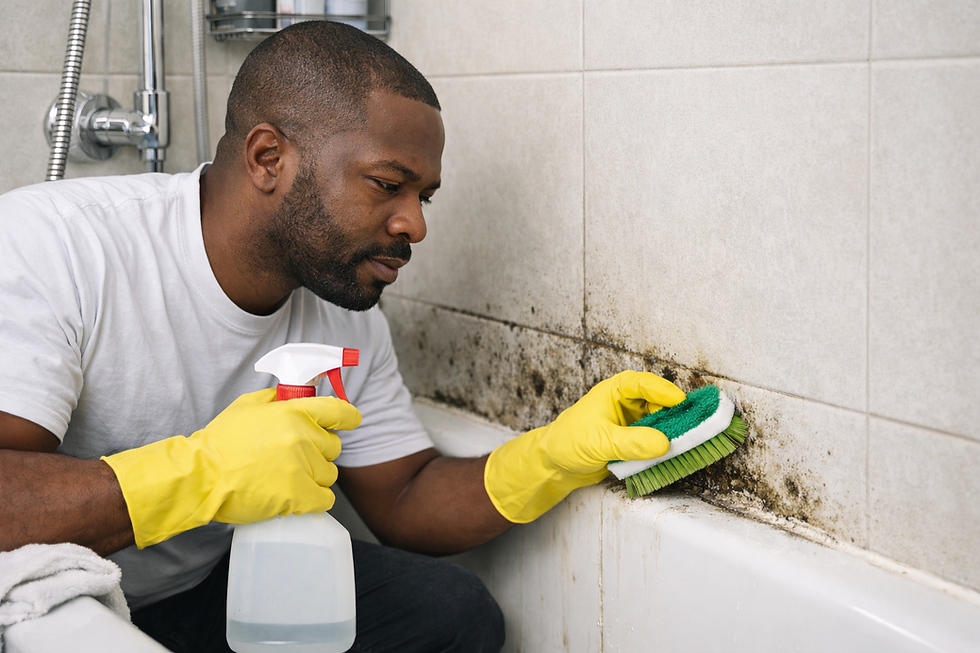
How to Get Rid of Mildew in Bathroom: The Complete Guide That Actually Works
If you’ve got mildew in your bathroom, you’re not alone. It shows up on grout, caulk, ceilings, shower curtains, around windows, and in all those annoying damp corners that never seem to dry out.
The good news? Most bathroom mildew can be handled without turning your whole weekend into a hazmat operation.
The bad news? A lot of people clean it the wrong way.
They spray too much product. They mix chemicals they should never combine. Or they scrub the stain away without fixing the moisture problem that caused it in the first place. That’s why it comes right back.
Soo... How to get rid of mildew in bathroom? In my experience, the most effective approach is simple: clean what you can see, dry the area thoroughly, and reduce humidity so mildew can’t reclaim the space. That lines up with EPA and CDC guidance, which both stress that moisture control is the key to stopping mold and mildew indoors.
What mildew in a bathroom actually is
People often use “mildew” and “mold” interchangeably. In day-to-day bathroom cleaning, that’s usually fine. Mildew is generally a surface-level fungal growth that thrives in damp, poorly ventilated areas. Bathrooms are basically its dream home.
You’ll usually spot it as:
Black, gray, green, or sometimes pinkish spotting
Musty odor
Staining on grout, caulk, ceiling paint, or fabric shower curtains
Recurring patches near tubs, showers, sinks, or exhaust fans
CDC says if you see or smell mold, you should remove it and fix the moisture problem. You do not need to identify the exact type before taking action.
The fastest way to get rid of mildew in bathroom areas
Here’s the straightforward process I recommend for most bathroom mildew situations.
Step 1: Protect yourself first
Before you start scrubbing:
Open a window if possible
Run the bathroom exhaust fan
Wear gloves
Consider goggles if you’ll be spraying overhead
Use an N-95 respirator if you’re cleaning a larger affected area or you’re sensitive to mold exposure
CDC recommends personal protective equipment such as gloves, goggles, and at least an N-95 respirator for more significant mold cleanup.
Important safety note: Never mix bleach with ammonia or other cleaners. EPA and CDC both warn this can create toxic fumes.
Step 2: Choose the right cleaner for the surface
Not every surface should be treated the same way.
For most hard bathroom surfaces, start with one of these:
Dish soap + warm water
White vinegar
Hydrogen peroxide
A mildew-removal bathroom cleaner
Diluted bleach solution, where appropriate
CDC notes that mold on hard surfaces can often be removed with household products, soap and water, or a bleach solution of no more than 1 cup of household laundry bleach in 1 gallon of water.
Step 3: Let the cleaner sit
One of the most common mistakes? People spray and immediately wipe.
That usually removes only the surface discoloration.
Instead:
Spray the affected area
Let it sit for 10 to 15 minutes unless the product label says otherwise
Then scrub with a soft brush, grout brush, or non-scratch pad
For stubborn grout lines or textured caulk, a small cleaning brush helps a lot.
Step 4: Scrub, rinse, and dry completely
After scrubbing:
Rinse with clean water if needed
Wipe dry with a clean cloth
Leave the fan running
Keep the door open to finish drying the room
EPA emphasizes drying the cleaned area completely and fixing leaks or water problems as soon as possible.
Best mildew cleaners for bathroom surfaces: what works best?
Here’s a practical comparison.
Method | Best For | Pros | Cons | My Take |
Soap + water | Light surface mildew | Cheap, simple, gentle | May not lift deeper staining | Great first step |
White vinegar | Shower walls, tile, some grout | Easy, inexpensive, popular DIY option | Smell lingers; not for every stone surface | Good for mild cases |
Hydrogen peroxide | Grout, caulk, mildew staining | Helpful on stains, easy to apply | Can lighten some materials | One of my favorite spot treatments |
Bleach solution | Non-porous hard surfaces with visible staining | Strong whitening effect | Fumes, surface limitations, safety concerns | Use carefully, not casually |
Store-bought mildew remover | Tough shower and grout buildup | Fast and convenient | More expensive; ingredients vary | Best for stubborn repeat problem areas |
EPA says the goal is not to “sterilize” the area completely, but to remove the growth and fix the moisture issue so spores don’t regrow.
My professional preference
For everyday bathroom mildew, I generally prefer this order:
Soap and water for light growth
Hydrogen peroxide or vinegar for spot treatment
A targeted mildew remover for stubborn grout or caulk
Bleach only when appropriate and used exactly as directed
Why? Because people often overuse bleach. It can whiten stains dramatically, but whitening is not the same thing as solving the problem. Moisture control is the real solution.
How to remove mildew from common bathroom trouble spots like on bathroom grout
Grout loves to trap moisture.
Use this method:
Spray with hydrogen peroxide, vinegar, or a grout-safe mildew cleaner
Let sit 10 to 15 minutes
Scrub with a grout brush
Rinse lightly
Dry completely
If the grout still looks dingy, it may be stained rather than actively growing mildew. Cleaning may remove the growth but not fully restore the original color. EPA notes mold can cause cosmetic damage or staining that may not fully disappear.

How to get rid of mildew on bathroom caulk
Caulk is trickier because it’s porous and mildew can penetrate below the surface.
Try this:
Apply cleaner generously
Let it dwell
Scrub gently
Rinse and dry
If mildew keeps bleeding back through clean-looking caulk, replacement is often the better move.
Little-known tip: If the caulk feels brittle, cracked, or peeling, don’t keep throwing cleaner at it. Replace it. That usually saves more time and frustration than repeated “miracle” cleanings.

How to get rid of mildew on a bathroom ceiling
Ceiling mildew usually points to poor ventilation.
Use a stable step stool, not a slippery tub edge.
Clean with a mild solution first.
Avoid oversaturating drywall or paint.
Dry the ceiling thoroughly and check whether your exhaust fan is actually moving moisture out of the room.
EPA recommends using exhaust fans or opening windows in bathrooms to reduce humidity and prevent condensation.
How to get rid of mildew on a shower curtain
For washable curtains or liners:
Remove them
Wash according to care label
Dry fully before rehanging
For badly stained or brittle plastic liners, replacement is usually the smarter, cheaper call.
Why mildew keeps coming back in the bathroom
This is the real issue.
If mildew returns quickly, one of these is usually happening:
The bathroom fan is weak or not used long enough
The room stays humid after showers
Water is sitting on tile, tub edges, or windowsills
There’s a slow plumbing leak
Caulk or grout is deteriorated
Towels, mats, or shower curtains stay damp too long
EPA’s guidance is blunt and correct: the key to mold control is moisture control.
Bathroom mildew prevention checklist
Use this after every deep clean:
Run the exhaust fan during showers and for at least 20–30 minutes after
Open the bathroom door after bathing
Wipe down shower walls and glass
Hang towels so they dry fully
Wash bath mats regularly
Replace damaged caulk
Fix drips and leaks fast
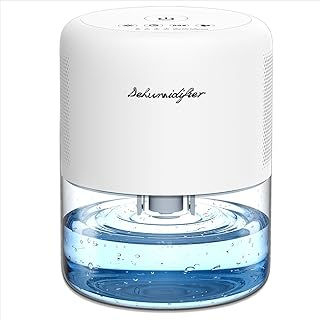
Keep humidity down with ventilation or a dehumidifier if needed
Dry wet surfaces within 24–48 hours
EPA and CDC both emphasize prompt drying and ongoing moisture control to prevent regrowth.
Mistakes people make when trying to remove mildew in bathroom spaces
1. Mixing cleaners
This is the big one. Never mix bleach with ammonia, and don’t combine random cleaning products trying to create a “stronger” formula. Toxic vapors can result.
2. Cleaning but not drying
A freshly cleaned but still damp bathroom is just a reset button for mildew.
3. Painting or caulking over mildew
CDC specifically warns not to just cover it up. Remove it first.
4. Ignoring leaks
If water is getting behind the wall, under the tub lip, or around a window, surface cleaning won’t solve anything.
5. Scrubbing delicate surfaces too aggressively
This can damage sealants, paint, and grout, making future moisture problems worse.
If this happens, do this
If the mildew is on grout and won’t come off
Try a second cleaning round with a grout-safe cleaner or hydrogen peroxide. If discoloration remains, it may be staining rather than active growth. Consider resealing grout after it is fully dry.
If the caulk turns black again in a few days
Replace the caulk. Mildew may be embedded under the surface.
If the ceiling mildew keeps returning
Improve ventilation immediately and inspect for condensation or roof/plumbing moisture issues.
If the bathroom smells musty even after cleaning
Look for hidden dampness behind the toilet, under the sink, behind wallpaper, or around the shower base.
If the affected area is large
EPA’s residential guidance commonly notes that larger mold problems may require more caution or professional help, especially when water damage is extensive.
When you should not DIY bathroom mildew
You can handle many small bathroom mildew problems yourself. But step back and consider professional help when:
The mildew/mold covers a large area
Drywall is soft or crumbling
The smell is strong but growth is not visible
Water damage is ongoing
Mildew returns immediately after repeated cleaning
Someone in the household has asthma, mold sensitivity, or a compromised immune system
CDC notes mold exposure can trigger health effects such as asthma attacks, irritation, and allergic reactions in some people.
Health and safety disclaimer: This article is general home-care information, not medical advice. If mold exposure is affecting your breathing, eyes, or skin, or if someone in the home has respiratory issues, consult a qualified healthcare professional and consider professional remediation.
A simple bathroom mildew cleanup formula
Here’s the formula I’d use in a normal household bathroom:
For light mildew:
Ventilate
Spray vinegar or hydrogen peroxide
Wait 10–15 minutes
Scrub
Dry fully
For moderate mildew on grout/caulk:
Use a dedicated mildew remover or peroxide
Scrub with a detail brush
Rinse lightly
Dry with fan and towel
Recheck in 24 hours
For recurring mildew:
Clean
Replace failing caulk if needed
Use fan longer
Reduce humidity
Inspect for leak or condensation source
That’s the difference between a temporary cosmetic fix and a long-term solution.
FAQs about how to get rid of mildew in bathroom
1. What kills mildew in the bathroom the fastest?
For many bathroom surfaces, soap and water, vinegar, hydrogen peroxide, or a mildew remover can all work. CDC says mold on hard surfaces can be removed with household products, soap and water, or a bleach solution used properly.
2. Is bleach or vinegar better for bathroom mildew?
It depends on the surface and severity. Bleach can whiten stains well, but it has safety limitations and should never be mixed with other cleaners. I usually prefer starting with gentler methods and escalating only when needed.
3. Why does mildew keep coming back in my bathroom?
Because the moisture source hasn’t been fixed. EPA says the key to mold control is moisture control.
4. Can I paint over mildew on the bathroom ceiling?
No. Clean and dry the area first. CDC warns against simply covering mold or mildew with paint or caulk.
5. When should I replace caulk instead of cleaning it?
If the caulk is cracked, peeling, brittle, or the black staining returns quickly after cleaning, replacement is usually the better option.
6. Is bathroom mildew dangerous?
It can be irritating or trigger symptoms for some people, especially those with asthma or sensitivities. CDC notes exposure may cause irritation, allergic reactions, and asthma-related issues in susceptible individuals.
Next steps / key takeaways
If you want the shortest path to a cleaner bathroom, focus on this:
Clean visible mildew safely with the right product for the surface
Never mix cleaners, especially bleach and ammonia
Dry the bathroom thoroughly after cleaning and after showers
Use ventilation consistently and fix leaks fast
Replace caulk or damaged materials when cleaning alone won’t solve it
The real win is not just removing mildew once. It’s making your bathroom a place mildew doesn’t want to live anymore.


Comments