
How to Get Rid of Smoke Smell


How to Get Rid of Smoke Smell: The Complete Guide That Actually Works
Smoke smell has a way of making a space feel old, dirty, and impossible to freshen up. You open a window. You spray an air freshener. Maybe you light a candle and hope for the best. Then the smell comes right back.
That’s because smoke odor usually isn’t just floating around in the air. It sticks to walls, settles into carpet fibers, clings to upholstery, sneaks into vents, and leaves behind residue that can linger for weeks, months, or longer—especially in the case of tobacco smoke. Health groups and research on thirdhand smoke note that this residue can persist on surfaces and in dust, and simple airing out often does not fully remove it.
In my experience, the people who get the best results stop trying to cover the smell and start treating it like a residue-removal job. That mindset changes everything.
This guide will walk you through exactly how to get rid of smoke smell in a home, apartment, car, furniture, and clothing—without wasting money on fixes that only make the room smell like “lavender smoke.”
Why smoke smell is so hard to remove
Smoke odor is stubborn for one simple reason: it spreads in layers.
When smoke fills a space, it does four things:
It contaminates the air.
It settles onto hard surfaces like walls, ceilings, blinds, and counters.
It sinks into soft materials like carpet, curtains, mattresses, and upholstery.
It gets pulled into HVAC systems, vents, and filters.
With tobacco smoke, the problem is often even worse because the residue can become what’s commonly called thirdhand smoke—chemicals left behind on indoor surfaces and dust that may linger and re-enter the air over time.
That’s why the best smoke odor removal plans always include:
Source control
Surface cleaning
Fabric treatment
Air filtration
The EPA also emphasizes source control, ventilation, and filtration as core ways to improve indoor air quality.
The fastest way to get rid of smoke smell
If you want the short version, this is the order I recommend:
Stop the source No smoking indoors. Remove ashtrays, burned debris, or smoke-damaged items.
Ventilate strategically Open windows only when outdoor air is clean enough to help. During wildfire smoke events, bringing outdoor air in can make indoor air worse.
Replace HVAC and portable filters A dirty filter can keep recirculating odor particles.
Vacuum with HEPA filtration Standard vacuums can blow fine particles back into the air; HEPA filtration is safer for fine ash and smoke-related particles.
Wash all hard surfaces Especially walls, ceilings, trim, doors, blinds, and light fixtures.
Deep-clean fabrics Curtains, rugs, couch covers, bedding, clothes, and upholstery need separate treatment.
Use air cleaning, not perfume A portable air cleaner can help reduce smoke particles indoors. Evidence reviewed by CDC supports indoor air filtration as an effective intervention for wildfire smoke pollutants.
Reassess in 24 to 72 hours If the smell returns, something porous or hidden is still holding odor.
The smoke smell removal formula that works best
Think of cleanup like this:
Smoke odor removal = remove residue + clean, porous materials + filter air + repeat if needed
That’s the formula.
A lot of people do only one of those steps and then decide “nothing works.” Usually, the issue is incomplete removal.
Best smoke smell removal methods by surface
Area or item | Best first move | Best deeper fix | Common mistake |
Walls and ceilings | Wash with a degreasing or smoke-cutting cleaner | Prime and repaint if odor remains | Painting over odor before cleaning |
Carpet and rugs | HEPA vacuum + baking soda + shampoo/extraction | Professional cleaning or replacement | Using fragrance powder only |
Upholstery | Vacuum + upholstery-safe cleaner | Steam/extraction or professional service | Over-wetting furniture |
Clothing | Wash with odor-focused laundry routine | Repeat wash or strip odor from storage bins too | Drying before odor is gone |
Car interior | Remove ash, vacuum, wipe hard surfaces | Cabin filter replacement + upholstery cleaning | Forgetting the headliner and vents |
HVAC system | Replace filter | Duct inspection/cleaning if contamination is severe | Assuming one new filter solves everything |
The big takeaway: hard surfaces hold residue; soft surfaces absorb it. You usually need both cleaning types for full success.
How to get smoke smell out of a house
Step 1: Remove obvious odor sources
Start with the simple offenders:
Ashtrays
Burned food residue
Smoke-damaged paper
Charred decor or textiles
Heavily contaminated cushions or pillows
Old filters
If an item smells powerfully smoky up close, don’t assume the room is the problem. Sometimes one contaminated object is re-polluting the entire space.
Step 2: Dust and vacuum before washing
Smoke particles settle into dust. If you skip dusting and vacuuming, you can smear residue around instead of removing it.
Use:
A vacuum with a HEPA filter
Damp microfiber cloths for dust
Slow passes on carpet and upholstery
CDC and NIOSH guidance caution against methods that stir particles back into the air, such as dry sweeping ash or using non-HEPA vacuums for fine debris.
Step 3: Wash walls, ceilings, and hard surfaces
This is where many people get lazy—and it’s usually why the smell comes back.
Clean:
Walls
Ceilings
Baseboards
Doors
Window trim
Cabinets
Blinds
Light fixtures
Fan blades
In practice, ceilings are often one of the most overlooked odor reservoirs, especially in homes with cigarette smoke or repeated cooking smoke.
A simple warm-water cleaning solution may help for light residue, but for heavier smoke contamination you may need a stronger degreasing cleaner made for smoke, grease, or soot removal.
Common mistake: painting too soon.If the wall still holds residue, paint can trap and then slowly release odor. Clean first. Prime with an odor-blocking primer only after the surface is fully dry.
Step 4: Treat all fabrics
Wash or clean:
Curtains
Bedding
Throw blankets
Cushion covers
Rugs
Clothes stored in the room
If something can be machine-washed, do that before trying to perfume it. For fabrics that can’t be washed, use upholstery-safe cleaning methods or professional help.
Step 5: Clean the air system
Replace:
HVAC filters
Air purifier filters
Car cabin filters if odor is in a vehicle
If smoke exposure was heavy or long-term, have the system inspected. Sometimes vents, returns, or internal components keep distributing odor.
Step 6: Use an air purifier the right way
For smoke particles, an air cleaner can help. EPA and CDC resources both point to filtration as an important indoor air strategy, especially during smoke events.
For affiliate placement, this is a natural spot to recommend:
A portable air purifier for bedrooms or living rooms: Air Purifier
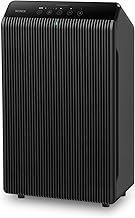
Replacement high-efficiency HVAC filters: HVAC Filters

I generally prefer recommending air-cleaning products that support actual filtration over heavily scented sprays. Sprays can make a room smell “better” for an hour, but they rarely solve the underlying problem.
How to get cigarette smoke smell out of a room
Cigarette smoke is usually harder than a one-time smoke incident because it leaves a persistent sticky residue associated with thirdhand smoke. Health groups note that the residue can stick to walls, carpets, and other surfaces and can linger for long periods.
Here’s the priority order:
Remove smoking materials and stop indoor smoking.
Wash walls and ceilings.
Launder all washable fabrics.
Deep-clean carpet and upholstered furniture.
Replace filters.
Use portable air filtration.
Repaint only after cleaning, if needed.
If the room was smoked in for years, you may need to:
Seal and repaint walls
Replace carpet pad
Replace blinds
Clean or replace porous furniture
That sounds extreme, but long-term tobacco odor often lives deep inside absorbent materials.
How to get smoke smell out of furniture
Furniture can be tricky because odor gets trapped in:
Fabric
Cushion foam
Wood finishes
Undersides and hidden seams
For upholstered furniture
HEPA vacuum slowly and thoroughly
Use an upholstery-safe cleaner
Let it dry fully
Repeat if needed
If odor remains deep in the cushions, the internal foam may be contaminated. At that point, professional extraction or replacement inserts may make more sense than endless DIY attempts.
For wood furniture
Wipe all surfaces, including drawers, backs, and bottoms
Leave drawers open to air out in a clean, dry area
Place odor absorbers nearby temporarily
A natural place for an affiliate mention here would be:
A quality upholstery cleaner: – Upholstery Cleaner
A HEPA vacuum suited for fine particles and upholstery: – HEPA Vacuum
How to get smoke smell out of clothes
Clothes hold smoke odor especially well when:
They were stored in a smoky room
The closet itself still smells
They were washed once but dried too soon
Here’s the fix:
Wash clothes with detergent.
Rewash if odor remains.
Clean the closet, dresser, or laundry basket too.
Do not machine-dry until the smell is gone.
That last part matters. Heat can make lingering odor harder to remove if the item wasn’t fully cleaned.
Quick clothing checklist
Empty the closet
Wipe closet walls and shelves
Wash all washable items
Clean hampers and storage bins
Replace closet odor sources like smoky cardboard or fabric organizers
How to get smoke smell out of a car
Cars are tiny odor chambers. Smoke gets into:
Seats
Carpet
Floor mats
Headliner
Seat belts
Dash vents
Cabin air filter
Step-by-step car cleanup
Remove trash, ash, and loose debris.
Vacuum the seats, carpet, trunk, and floor mats.
Wipe hard surfaces, including cup holders and dashboard.
Clean the inside glass.
Clean the headliner gently.
Replace the cabin air filter.
Run the fan after cleaning with clean air settings.
The headliner is a classic missed spot. So are seat belts and trunk liners.
For affiliate placement, this is a strong natural section for:
A car interior cleaner kit: – Car Interior Kit
A replacement cabin air filter: – Cabin Air Filter
What actually works better: masking, absorbing, cleaning, or filtering?
Here’s the honest breakdown.
1. Masking
Examples: candles, sprays, plug-ins
Good for:
Temporary improvement
Bad for:
Actual smoke removal
My view:
Fine as a finishing touch, not a real solution.
2. Absorbing
Examples: baking soda, odor absorbers, charcoal-type products
Good for:
Mild lingering odor
Small spaces like closets, cars, cabinets
Bad for:
Heavy smoke residue on walls and fabrics
My view:
Helpful support tool, not the star of the show.
3. Cleaning
Examples: washing walls, shampooing carpet, laundering fabrics
Good for:
Removing residue from surfaces
Bad for:
Air-only treatment
My view:
This is the core of real odor removal.
4. Filtering
Examples: HEPA purifier, HVAC filters
Good for:
Removing particles from indoor air
Supporting cleaner air during smoke events
Bad for:
Sticky residue already embedded on surfaces
My view:
Essential partner to cleaning, not a replacement for it.
If the smell keeps coming back, do this
This is the troubleshooting section most articles skip.
If the room smells better, then worse at night
Check:
Upholstery
Mattresses
Curtains
HVAC cycling
If the smell is strongest when heat or AC runs
Check:
HVAC filter
Vents
Return grilles
Duct contamination
If one closet or bedroom smells stronger than the rest
Check:
Stored fabrics
Old boxes
Curtains
Carpet pad
One smoke-damaged item
If the walls feel clean but odor remains
Check:
Ceiling
Blinds
Window treatments
Light fixtures
Soft furnishings
If the odor is only in the car after a few hours parked
Check:
Cabin filter
Trunk liner
Headliner
Fabric seats
If wildfire smoke smell is the problem
Keep in mind:
During active smoke events, opening windows can worsen indoor air. CDC recommends keeping smoke outside, creating a cleaner room, and using a portable air cleaner or properly used DIY filtration setup.
Safety warnings you should not ignore
Smoke cleanup sounds simple until it isn’t.
Use extra caution if:
There was an actual fire, not just odor
You see soot or ash
There may be burned chemicals, plastics, paints, or appliances
Someone in the home has asthma, COPD, heart disease, or other respiratory issues
Infants or pets are exposed to tobacco residue
CDC disaster cleanup guidance warns about hazards such as gas leaks and unsafe conditions after damaging events, and NIOSH warns that burned materials can contain hazardous chemicals.
Important disclaimer: This article is general informational guidance, not medical, environmental, or restoration advice for a severe fire-damage event. If smoke exposure is heavy, a fire occurred, or vulnerable household members are affected, consult qualified restoration, HVAC, or healthcare professionals for situation-specific guidance.
The most common smoke smell mistakes
These mistakes waste the most time and money.
1. Only opening windows
Helpful sometimes, but not enough for thirdhand smoke or embedded residue.
2. Spraying fragrance everywhere
That gives you “perfumed smoke,” not a clean space.
3. Skipping the ceiling
A huge one. Smoke rises.
4. Forgetting the filters
Dirty filters can keep circulating odor.
5. Drying clothes too soon
If odor remains before the dryer, fix it before applying heat.
6. Painting before cleaning
That can seal in the problem instead of removing it.
7. Using the wrong vacuum
For fine ash and smoke-related particles, HEPA filtration matters.
A 48-hour smoke smell action plan
Here’s a practical template you can follow.
Day 1
Remove ashtrays and odor sources
Open windows only if outside air is clean
Replace HVAC or cabin filter
HEPA vacuum floors, rugs, upholstery
Dust hard surfaces
Wash walls and ceilings in the worst room
Day 2
Launder curtains, bedding, and washable fabrics
Clean upholstery or carpets
Wipe vents, trim, doors, blinds
Run air purifier continuously
Reassess odor by room
If smell remains after 48 hours
Identify the strongest source room
Inspect soft materials
Consider professional carpet, upholstery, or duct cleaning
Use odor-blocking primer and repaint only after residue cleanup
Strategic affiliate products that fit naturally here
These product categories can genuinely support a smoke-smell cleanup plan when matched to the problem:
Portable air purifier for bedrooms or living rooms: – Air Purifier
HEPA vacuum for carpet and upholstery: – HEPA Vacuum
Smoke-cutting wall cleaner or degreasing cleaner: – Smoke Residue Cleaner
Upholstery cleaner for couches and chairs: – Upholstery Cleaner
HVAC replacement filters: – HVAC Filter
Car cabin air filter or car interior cleanup kit: – Car Smoke Odor Kit
The smartest way to monetize this article is to recommend products only where they solve a specific problem. That feels more helpful and converts better than dropping random links in a big list.
FAQs about how to get rid of smoke smell
1. Does opening windows get rid of smoke smell?
Not usually by itself. It may help dilute odor when outdoor air is clean, but it does not remove sticky smoke residue from walls, fabrics, dust, and vents. During wildfire smoke events, opening windows can actually worsen indoor air quality.
2. How long does smoke smell last in a house?
It depends on the source, how long exposure lasted, and what materials were affected. Light cooking smoke may clear quickly, while cigarette smoke and thirdhand smoke can linger much longer because residue sticks to surfaces and dust.
3. Can an air purifier remove smoke smell completely?
An air purifier can help reduce smoke particles in the air, but it will not fully remove odor that has already soaked into walls, carpet, furniture, or vents. Filtration works best alongside deep cleaning.
4. Why does my house still smell like smoke after I cleaned it?
Usually because one or more hidden sources remain: carpet pad, upholstery foam, curtains, HVAC components, ceiling residue, or a contaminated item stored in a closet or drawer.
5. What is the hardest type of smoke smell to remove?
Long-term cigarette smoke is often one of the hardest because of thirdhand smoke residue that clings to surfaces and dust and can persist over time.
6. Do I need to repaint to get rid of smoke smell?
Not always. Repainting can help only after surfaces have been thoroughly cleaned. If you paint before removing residue, the odor may linger underneath.
7. Is smoke smell dangerous or just unpleasant?
It can be more than unpleasant. Tobacco smoke residue and fine smoke particles can be a health concern, especially for children, pets, and people with lung or heart conditions.
Next steps / key takeaways
If you remember only three things, make it these:
Smoke smell is a residue problem, not just an air problem.
Cleaning + fabric treatment + filtration beats fragrance every time.
If odor keeps returning, something porous or hidden is still contaminated.
Start with the room or item that smells the strongest. Remove the source. Clean the residue. Wash the fabrics. Replace the filters. Then use air filtration to support the cleanup.
That’s the sequence that gets real results.

Comments